How to Keep Birds Out of Your Garden: 10 Bird-Friendly Methods
How to keep birds out of your garden beds, fruit and seedlings without harming them: bird netting, row covers, bird deterrents that work and simple ways to protect seedlings from birds.
Affiliate disclosure: This guide links to our buying guides, which contain affiliate links. As an Amazon Associate, we earn from qualifying purchases at no additional cost to you.
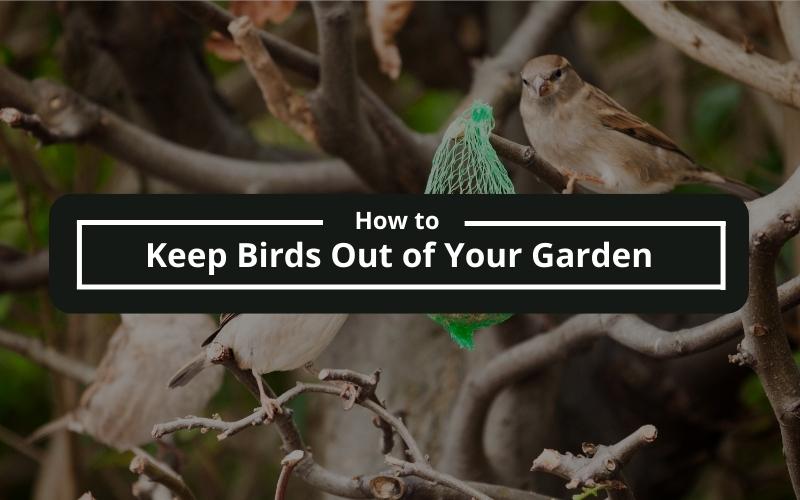
Birds are welcome in most gardens: they eat caterpillars, aphids and other pests, and they bring life to the yard. But when they pull up seedlings, peck at ripening tomatoes or strip your berry bushes overnight, you want to know how to keep birds out of your garden, at least from the plants that matter.
This guide explains how to keep birds out of your garden humanely. You will learn which bird deterrents actually work, how to use bird netting safely, how to protect seedlings from birds and how to keep birds away from plants while still welcoming them elsewhere in the yard.
Why Birds Visit Your Garden
| What they do | Birds that often do it | Why |
|---|---|---|
| Pull up seedlings and sprouting seeds | Crows, sparrows, starlings | Looking for seeds and insects in loose soil |
| Peck ripening fruit and tomatoes | Robins, mockingbirds, catbirds | Sugar and water, especially in dry weather |
| Strip berry bushes | Robins, cedar waxwings, starlings | Berries are a prime food source |
| Dig in mulch and beds | Blackbirds, thrushes | Hunting for worms and insects |
| Eat leafy greens | Pigeons, sparrows | Tender young leaves |
Birds often peck tomatoes and fruit for moisture in hot, dry weather. A shallow birdbath away from the vegetable garden can reduce this damage.
How to Keep Birds Out of Your Garden: 10 Methods
Bird Netting: How to Use It Safely
Bird netting is the most reliable way to keep birds away from plants such as berries, cherries and grapes. Used correctly, it also keeps birds safe:
- Choose fine mesh: a small mesh, about 3/4 inch or less, is less likely to trap birds than large, loose netting.
- Use a frame: drape netting over hoops, stakes or a simple frame, so it does not lie on the plants and birds cannot peck through.
- Keep it taut and closed: secure the edges to the ground with pins or boards, so birds cannot get underneath and trapped.
- Check it daily: free any trapped bird carefully, and repair holes. Wear gardening gloves when you handle netting and wire.
- Remove it after harvest and store it rolled up, so it does not tangle.
Loose netting on the ground or over shrubs can trap birds, snakes and other wildlife. Avoid black, loose netting for general use.
How to Protect Seedlings from Birds
Seedlings and sprouting seeds are most vulnerable in the first two to three weeks. To protect seedlings from birds:
- Floating row covers: light fabric over the bed keeps birds and many insects out while letting light and water through.
- Wire mesh tunnels: chicken wire or hardware cloth bent into a low tunnel over the row.
- Cloches: cut-off plastic bottles or cloches over individual seedlings.
- Sow a little deeper within the depth on the seed packet, and firm the soil after sowing.
- Start from transplants for crops birds love, such as peas, beans and corn.
Raised beds make it easy to add hoops and covers; see how to build a raised garden bed, and for your first beds, vegetable gardening for beginners.
Protect Fruit, Berries and Tomatoes
- Cover strawberries, blueberries, raspberries and cherries with bird netting on a frame before the fruit starts to color.
- Use mesh bags over individual bunches of grapes or clusters of fruit.
- Harvest tomatoes when they start to blush and let them ripen indoors.
- Pick up fallen fruit, which attracts birds and insects.
Growing tomatoes in containers? Pots on a porch or patio are easier to protect; see how to grow tomatoes in pots.
How to Protect Each Crop from Birds
| Crop | Main bird problem | Best protection |
|---|---|---|
| Peas and beans | Seeds and young shoots pulled up | Row cover or wire tunnel until 4 to 6 inches tall |
| Sweet corn | Seeds dug up; ears pecked later | Cover seed rows; paper bags over ears if needed |
| Lettuce and brassicas | Young leaves eaten by pigeons and sparrows | Row cover or netting on hoops |
| Strawberries | Ripe fruit pecked | Netting on a low frame; harvest daily |
| Blueberries and cherries | Whole crop stripped | Full netting cage before fruit colors |
| Tomatoes | Pecked for moisture | Birdbath nearby; pick at first blush |
| Sunflowers | Seed heads eaten | Mesh bags over heads once petals drop |
Bird Deterrents: What Works and What Does Not
| Bird deterrents | Effect | Tip |
|---|---|---|
| Bird netting and row covers | High | The most reliable option; use fine mesh on a frame |
| Reflective tape and old CDs | Short term | Move them every few days |
| Owl and hawk decoys | Short term | Move daily; birds soon notice they do not move |
| Scarecrows and pinwheels | Short term | Change position and appearance often |
| Motion-activated sprinklers | Moderate | Also deter cats, dogs and deer; see our animals guide |
| Noise devices | Low to moderate | Can disturb neighbors; birds get used to them |
| Spikes and gel | Not for gardens | Meant for ledges and buildings |
A motion-activated sprinkler needs a hose that reaches it; a light expandable garden hose is easy to move around the garden, and our garden hose nozzle guide helps you choose a nozzle for everyday watering. Combine a physical barrier with one or two visual bird deterrents, and rotate them. For other animals, read how to keep animals out of your garden without a fence.
The Fishing Line Trick
Montana State University describes a low-cost method using clear 20-pound monofilament fishing line. Birds seem to avoid the line, possibly because it appears and disappears in the light:
- Rows of seedlings: stretch the line about 1 inch above the row.
- Strawberry beds: run lines about 2 inches above the plants, spaced about 12 inches apart.
- Replace it yearly: sunlight weakens the line.
This method works best against sparrows and is less effective against robins and starlings.
Give Birds Another Place to Go
One of the best ways to keep birds away from plants is to make another part of the yard more attractive:
- Place a bird feeder and a birdbath at the opposite end of the garden from your vegetables and fruit.
- Plant shrubs with berries for birds, such as serviceberry or elderberry, away from the beds you want to protect.
- Keep the birdbath clean and filled; fresh water reduces pecking at tomatoes in dry spells.
Crows, Pigeons and Starlings
- Crows: intelligent and quick to learn; use physical barriers over seedlings and corn. See how to keep crows out of your garden.
- Pigeons: remove spilled food and cover leafy greens with netting or row covers.
- Starlings: arrive in flocks at fruit; netting is the only reliable protection.
- Robins: love berries and cherries; net before the fruit colors.
Chickens can also scratch up beds; see how to keep chickens out of your garden.
Bird-Safe and Legal
Most native wild birds in the U.S., including robins, crows and mockingbirds, are protected under the Migratory Bird Treaty Act. It is illegal to harm, trap or kill them, or to disturb active nests, without a permit. Keep your methods humane:
- Use barriers and deterrents only; never poisons or sticky traps.
- Check netting daily for trapped birds.
- Leave active nests alone until the young have fledged.
- Contact your state wildlife agency or extension office for persistent problems.
Birds in the Lawn and New Grass Seed
- Birds eating grass seed: cover newly seeded areas with a thin layer of straw or a seed-starting mat until the grass sprouts.
- Birds digging holes in the lawn: crows, starlings and skunks often dig for grubs. Many small holes can point to a grub problem, so check the soil under the damaged turf.
- Birds pulling up mulch: blackbirds and thrushes search for insects; a coarser mulch is less easy to toss around.
Seasonal Plan to Keep Birds Away from Plants
| Season | What to do |
|---|---|
| Spring | Cover seed rows and seedlings; put out a birdbath away from the beds |
| Early summer | Net strawberries and cherries before they color |
| Mid to late summer | Net blueberries, grapes and ripening tomatoes; keep the birdbath filled |
| Fall | Remove and store netting; leave seed heads for birds in other parts of the garden |
| Winter | Feed birds away from the vegetable garden and plan next year’s covers |
Mistakes to Avoid
- Netting too late: once birds have found the fruit, they keep coming back.
- Laying netting directly on plants: birds peck through it and can get tangled.
- Leaving decoys in one place: birds learn quickly that they are harmless.
- Feeding birds right next to the vegetable garden: it attracts them to your crops.
- Using harmful methods: sticky products and poisons are cruel and, for protected birds, illegal.
Why Birds Are Good for the Garden
Keep in mind that birds are among your best allies. Many songbirds feed their young almost entirely on caterpillars and other insects, which helps control garden pests naturally. The goal is to keep birds out of specific beds and fruit, not out of the whole garden. Read more in our guide to garden insects and natural pest control.
Frequently Asked Questions
How do I keep birds out of my garden naturally?
Cover seedlings with row covers, put bird netting over fruit, use reflective tape or decoys that you move regularly and give birds food and water elsewhere in the yard.
What is the best bird netting for a garden?
Fine mesh netting of about 3/4 inch or less, draped over a frame and secured at the edges, keeps birds out and reduces the risk of trapping them.
How do I protect seedlings from birds?
Use floating row covers, low wire mesh tunnels or cloches for the first few weeks, or start crops such as peas and beans from transplants.
What scares birds away from plants?
Reflective tape, old CDs, decoy owls and motion-activated sprinklers scare birds for a while. Move them often, because birds get used to them.
Do fake owls keep birds away?
Only briefly. Birds soon notice that the owl does not move. Move it every day or two and combine it with other bird deterrents.
Why are birds pecking my tomatoes?
Often for moisture in hot, dry weather. Provide a birdbath, harvest tomatoes when they start to blush and cover plants with netting if needed.
Is it legal to keep birds out of my garden?
Yes, deterring birds with barriers and scare devices is legal. Harming, trapping or killing most wild birds, or disturbing active nests, is not.
Will bird netting harm birds?
Loose or large-mesh netting can trap birds. Use fine mesh on a frame, keep it taut, close the edges and check it daily.
How do I protect strawberries from birds?
Cover the bed with bird netting on a low frame before the berries ripen, secure the edges and pick ripe fruit every day.
How do I stop birds eating my grass seed?
Cover the seeded area with a thin layer of straw or a seed-starting mat, and keep it moist until the grass sprouts.
How do I keep birds away from plants in pots?
Cover pots with a small cage or mesh, add reflective tape nearby and move pots of ripening fruit to a sheltered spot such as a porch.
Final Thoughts
Now you know how to keep birds out of your garden without harming them: protect seedlings from birds with row covers, use bird netting on a frame over fruit, rotate bird deterrents and give birds a better place to go.
With these methods you keep birds away from plants that matter, while still enjoying the birds that help control pests in the rest of your garden.
Sources: Montana State University Extension: repelling birds; Fairfax Master Gardeners: keep birds away; University of Minnesota Extension: keeping animals out of your garden; U.S. Fish and Wildlife Service: Migratory Bird Treaty Act.
Back to contents ↑