7 Winter Patio Ideas to Enjoy Your Patio During Winter
Seven practical ways to keep using your patio when it gets cold: heat, shelter, light and comfort, plus the safety distances and winter care most guides leave out.
Affiliate disclosure: This guide links to our buying guides, which contain affiliate links. As an Amazon Associate, we earn from qualifying purchases at no additional cost to you.
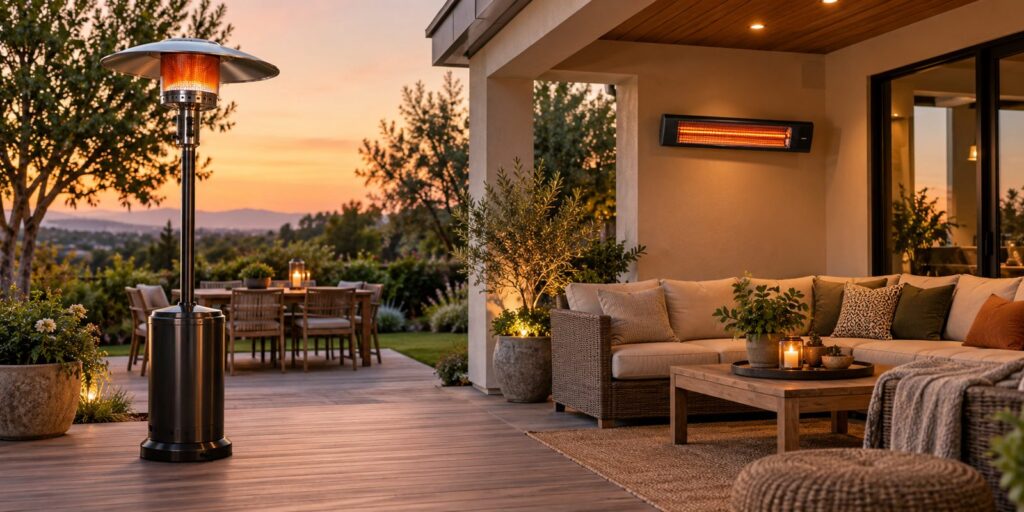
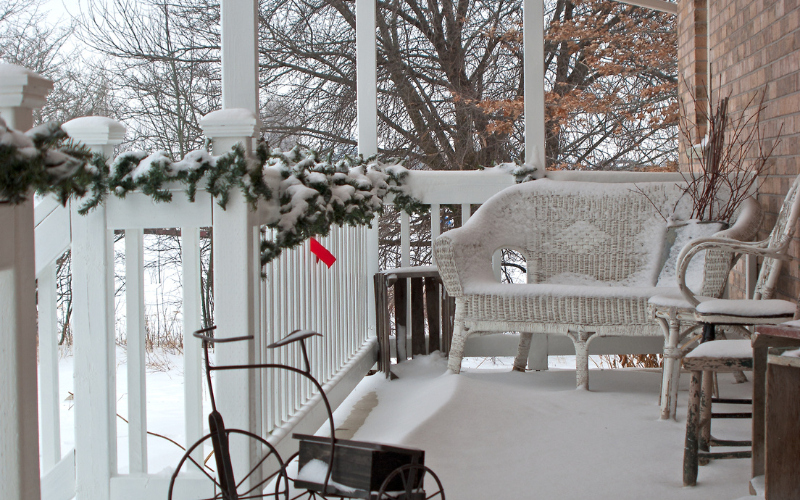
These winter patio ideas help you enjoy your patio during winter with a few smart additions. A reliable heat source to keep your patio warm in winter, some shelter from the wind, warm lighting and soft textiles turn a cold terrace into a place for coffee in the morning sun or a drink with friends on a crisp evening.
Below are seven winter patio ideas, from choosing the right heater to protecting your pavers from ice. Each one includes the practical details and safety points you need before you buy or build anything.
1. Keep Your Patio Warm in Winter with the Right Heater

A patio heater is the easiest way to keep your patio warm in winter. The choice between propane and electric depends on your space:
| Heater type | Best for | Keep in mind |
|---|---|---|
| Propane tower | Open patios and gardens | Needs open-air ventilation and the clearances in the manual; swap cylinders |
| Tabletop propane | A small seating area | Same ventilation rules as larger propane heaters |
| Electric infrared | Covered patios and balconies (if rated for outdoor use) | Warms people close by; needs a suitable outdoor outlet |
Compare models, output and safety features in our patio heater buying guide.
Patio heater safety
Good patio heater safety starts with the manual of your own model. The main rules:
- Use propane heaters outdoors only, never inside a house, garage, tent or other enclosed space: they produce carbon monoxide.
- Keep the clearances in the manual. One propane heater manual, as an example, asks for 36 inches above and 24 inches to the sides from anything that can burn.
- Do not use a heater in strong wind; the same manual sets a limit of 10 mph. Wind can blow out the flame or tip over a tower heater.
- Place the heater on a flat, stable surface, away from walkways where people could bump into it.
- Turn off the gas at the cylinder after use and store propane cylinders outdoors, never indoors or in a garage.
2. Gather Around a Fire Pit: Fire Pit Safety First
A fire pit gives warmth and atmosphere at the same time. Fire pit safety comes first:
- Keep fire pits, chimineas and outdoor fireplaces at least 10 feet from your home and anything that can burn, as the U.S. Fire Administration advises. Many local codes require 15 to 25 feet, so check your city or county rules.
- Place the fire pit on a non-combustible surface, such as pavers or gravel, and use a spark screen.
- Burn only dry, seasoned hardwood, keep a fire extinguisher or garden hose nearby, and never leave the fire unattended.
- Let ashes cool completely and store them in a metal container with a lid.
3. Block the Wind
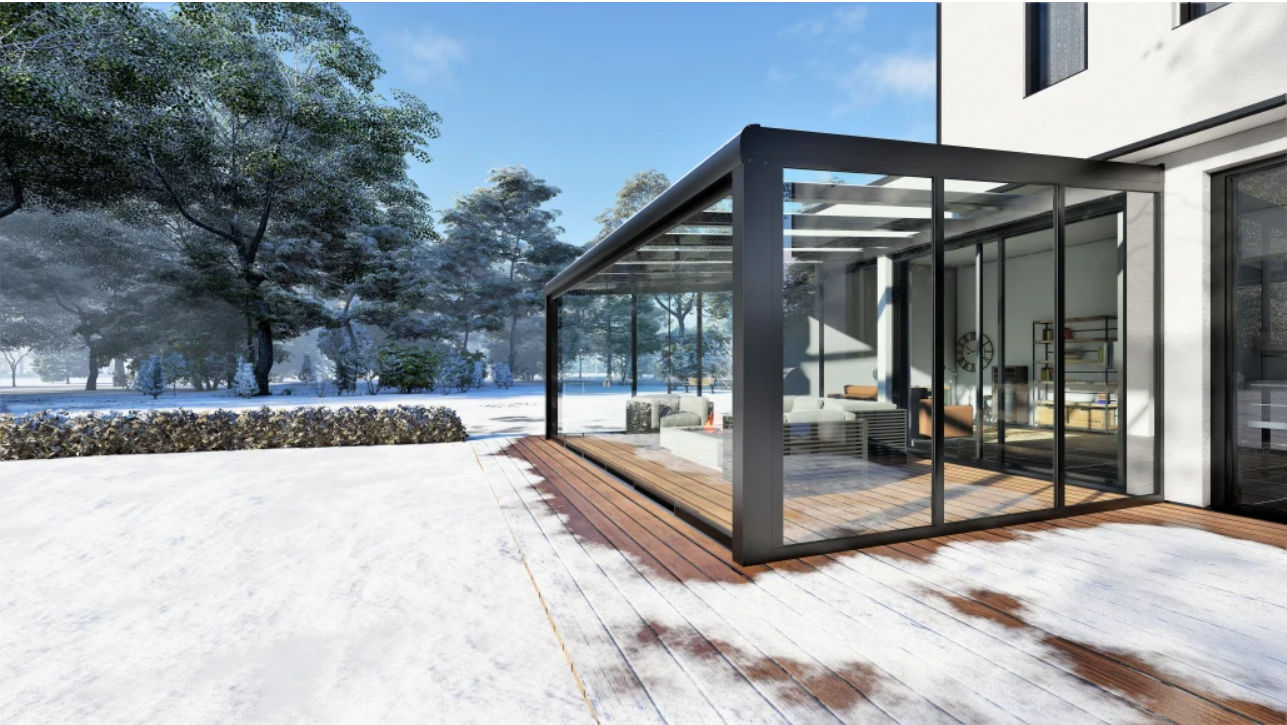
Blocking the wind is one of the cheapest ways to keep your patio warm in winter. Wind makes a patio feel much colder than the thermometer suggests, and it reduces the effect of any heater. Useful options:
- Outdoor curtains or roll-down shades on a pergola or covered patio
- Freestanding privacy screens or tall planters with evergreens
- An awning or pergola roof to keep out rain and snow
- Place seating against the house wall, which also holds some warmth from the sun
Partly enclosing a space does not make it safe for propane or wood fires. Keep enough open sides for ventilation and follow the manufacturer’s instructions.
4. Add Warm Lighting
Winter evenings start early, so lighting sets the mood on your patio. Warm-white string lights, lanterns and a few spotlights on plants make the space feel inviting.
- Use lights and extension cords marked for outdoor use.
- Plug into a GFCI-protected outlet, or use a portable GFCI adapter.
- Check cords for damage before each season and keep connections off wet ground.
- Looking for long, warm-white strings or smart lights? See our outdoor Christmas lights guide; many of those sets work well on a patio all winter.
5. Layer Outdoor Rugs, Blankets and Cushions

Textiles are among the easiest winter patio ideas to put into practice, and they instantly make the space feel warmer.
- An outdoor rug makes a cold patio floor feel warmer underfoot.
- Keep a basket of washable throws or outdoor blankets within reach.
- Use weather-resistant cushions and store them in a deck box when you are not using them.
- Choose warm colors and natural textures to make the space feel cozy, even in gray weather.
6. Plan for Warm Food and Drinks
Hot drinks and simple food keep people outside longer. A thermos or insulated carafe of coffee, tea or hot chocolate works well, and a grill or outdoor pizza oven makes winter gatherings feel special. Keep cooking equipment at the distance its manual requires from walls and overhangs.
7. Protect Your Patio from Snow and Ice
Winter use also means winter care for your paving and furniture:
- Shovel first, and use deicer only to loosen what is left. A plastic shovel or a blade cover prevents scratches on pavers.
- Choose deicer carefully: avoid products with ammonium nitrate or ammonium sulfate, which damage concrete. Calcium magnesium acetate (CMA) is gentler on plants and paving, although more expensive.
- Furniture: clean and dry it, then store it or use breathable covers. Plastic covers trap moisture and cause mold.
- Plants in pots: move frost-sensitive containers against the house or under cover.
Getting the rest of the garden ready too? Follow our fall checklist to winterize your garden.
What You’ll Need for a Winter Patio
You do not need everything at once to try these winter patio ideas. Start with heat and shelter, then add comfort:
- A patio heater: compare options in our patio heater comparison
- A fire pit with spark screen, plus a fire extinguisher
- Outdoor-rated string lights and a GFCI adapter: see our outdoor lights guide
- Windscreens or outdoor curtains
- An outdoor rug, throws and weather-resistant cushions
- A plastic snow shovel and paver-safe ice melt
- Breathable furniture covers or a deck box
Winter Patio Ideas for Small Spaces and Balconies
- Electric infrared heater: on a covered balcony or small patio, an outdoor-rated electric heater is often the only practical option, because propane heaters need open air and larger clearances.
- Wall-mounted or tabletop heat: saves floor space; check the clearances to the ceiling and walls in the manual.
- Warm lighting along the railing: a strand of outdoor-rated string lights makes a small space feel bigger and cozier.
- Foldable furniture and a storage bench: quick to set up on a mild day and easy to store cushions in.
- Check the rules: many apartment buildings and HOAs restrict open flames and propane on balconies, so read your building rules first.
Plants That Look Good on a Winter Patio
Plants keep a patio looking alive when the flowers are gone. Good choices for winter interest in containers include:
- Dwarf conifers and boxwood for year-round green structure
- Holly and winterberry for red berries
- Ornamental grasses left standing for texture and movement
- Heuchera and hellebores for foliage and late-winter flowers in milder regions
Roots in pots are more exposed to cold than roots in the ground. Choose plants that are hardy to at least one or two zones colder than your area, and group the pots against a sheltered wall. Our guide to winterize your garden explains how to protect container plants.
Winter Patio Safety Checklist
- Use propane heaters, fire pits and grills outdoors only, never in a garage, tent or enclosed porch.
- Keep fire pits at least 10 feet from the house and anything that can burn, or more if your local code requires it.
- Follow the clearances in each heater manual and do not use heaters in strong wind.
- Keep a fire extinguisher within reach and never leave a fire or heater unattended.
- Use outdoor-rated extension cords and lights on a GFCI-protected outlet.
- Clear snow and ice from steps and walkways, and use a paver-safe deicer.
- Install a carbon monoxide alarm inside the house near doors that open onto the patio.
Frequently Asked Questions
What are the most important fire pit safety rules?
Keep the fire pit at least 10 feet from the house and anything that can burn (more if your local code requires it), use a spark screen, burn only dry hardwood, keep water or an extinguisher nearby and never leave the fire unattended. Those basic fire pit safety rules prevent most accidents.
What should I know about patio heater safety?
Use propane heaters only in the open air, follow the clearances in your manual, do not use them in strong wind and place them on a stable surface. For a covered patio, an electric heater rated for outdoor use is often the safer choice.
What are the best winter patio ideas on a budget?
Start with blankets, an outdoor rug and warm string lights, and block the wind with outdoor curtains or tall planters. A single patio heater or fire pit then makes the biggest difference.
How can I enjoy my balcony in winter?
Use an outdoor-rated electric heater, add warm lighting and blankets, and choose hardy plants in insulated pots. Check your building rules before using any open flame or propane.
How can I keep my patio warm in winter?
Combine a heat source, such as a patio heater or fire pit, with shelter from the wind. Blankets, an outdoor rug and warm drinks make a big difference to how warm it feels.
Can you use a propane patio heater under a covered patio?
Only if the manufacturer allows it and the space stays well ventilated with the required clearances to the roof. Never use a propane heater in an enclosed space; an outdoor-rated electric heater is often the better choice under a roof.
How far should a fire pit be from the house?
The U.S. Fire Administration advises at least 10 feet. Many local fire codes require 15 to 25 feet, so check the rules where you live.
Should I cover patio furniture in winter or store it?
Storing it in a shed or garage is best. If that is not possible, clean and dry the furniture and use breathable covers, not plastic.
Is rock salt safe for pavers?
Use it sparingly. Shovel first, and avoid deicers with ammonium nitrate or ammonium sulfate. Calcium magnesium acetate is gentler on paving and plants.
Can outdoor string lights stay up in winter?
Yes, if they are rated for outdoor use and plugged into a GFCI-protected outlet. Check the cords and connections regularly.
Final Thoughts
The best winter patio ideas do not need a large budget, and you can enjoy your patio during winter with just a few additions. Start with a safe heat source and shelter from the wind, add warm lighting and textiles, and look after your paving and furniture. With those basics in place, your outdoor living space stays in use long after summer ends.
Ready to choose? Start with our patio heater comparison.
Sources: U.S. Fire Administration; CPSC on carbon monoxide; ESFI outdoor safety; Iowa State University Extension (deicers); University of Nebraska–Lincoln Extension (concrete).
Back to contents ↑