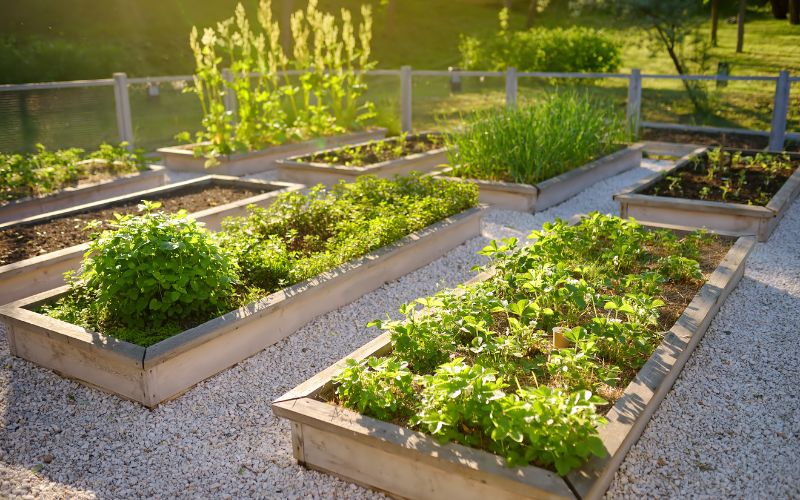
How to Winterize Your Garden: A 12-Step Fall Checklist
A practical fall checklist for beds, perennials, lawn, hoses, tools and the patio, with the timing and measurements that actually matter.
Affiliate disclosure: This guide links to our buying guides, which contain affiliate links. As an Amazon Associate, we earn from qualifying purchases at no additional cost to you.
Knowing how to winterize your garden and prepare your garden for winter saves you work and money in spring. A few hours in fall protects tender plants, keeps hoses and outdoor faucets from freezing and gives the soil a head start for next season.
This checklist follows the order in which most gardeners work, from the first cool nights to the first hard freeze. Use your local frost date as the starting point: in colder regions you begin in September, in milder regions not until November.
When Should You Winterize Your Garden?
The best time to prepare your garden for winter depends on your first fall frost date. Look it up by ZIP code with an online frost date tool, and check your USDA hardiness zone to know how cold your winters get.
| Timing | What to do |
|---|---|
| 4 weeks before first frost | Harvest, plant bulbs and cover crops, test the soil |
| 2 weeks before first frost | Clear diseased plants, add compost, clean and store tools |
| After the first frost | Drain hoses, shut off outdoor faucets, final mow |
| After the ground freezes | Apply winter mulch over tender perennials |
How to Winterize Your Garden: The 12-Step Checklist
How to Protect Plants from Frost and Winter Cold
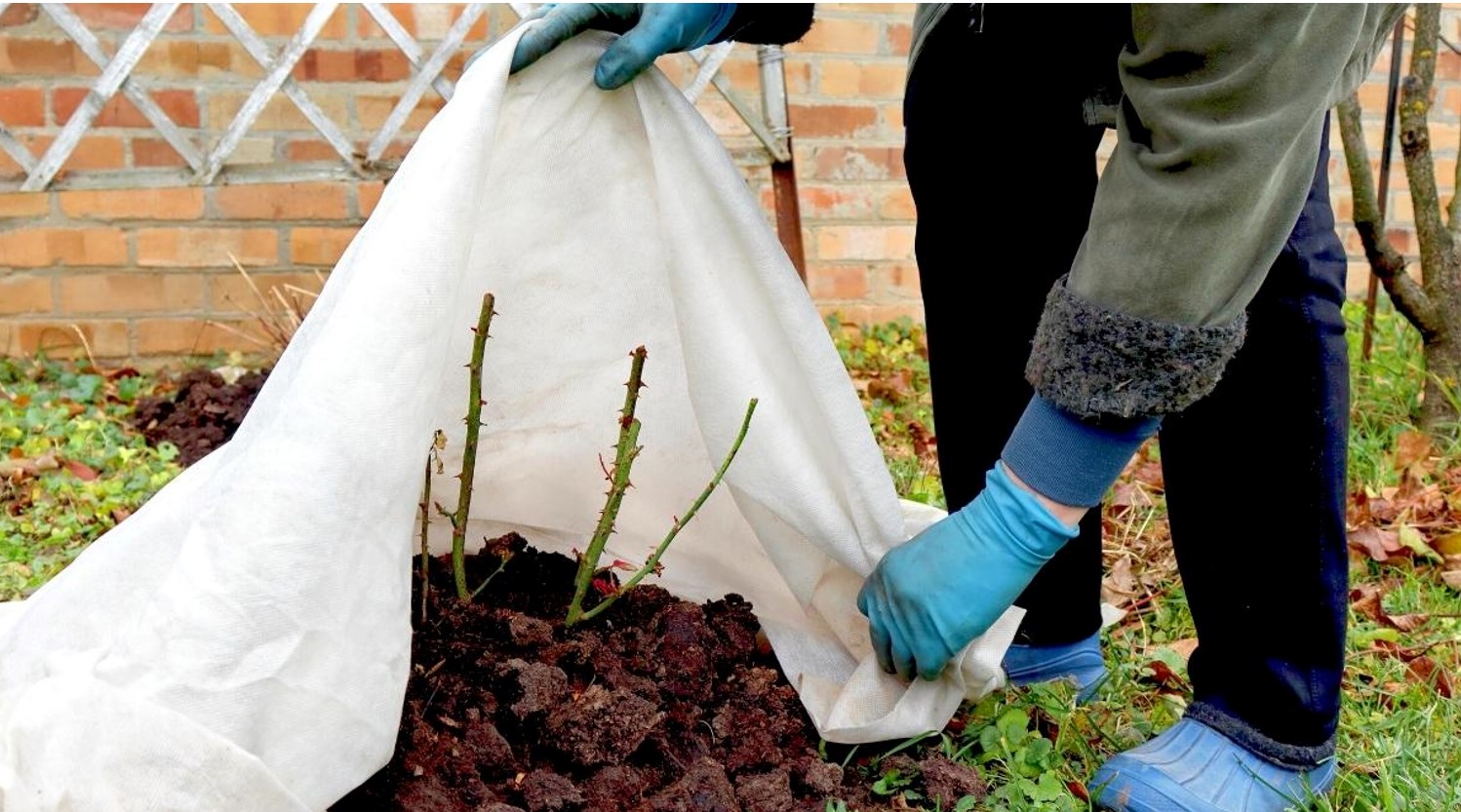
There are two ways to protect plants from frost and cold, and they are often confused: a temporary cover for a frosty night in fall, and a winter mulch that stays on until spring.
- Cover plants in the late afternoon and remove the cloth the next day once temperatures rise above freezing.
- Use stakes or hoops so the cloth does not touch the leaves.
- Covers help down to about 28°F; a longer or harder freeze can still cause damage.
- Apply about 4 inches of straw, pine needles or shredded leaves after the ground freezes.
- Tender perennials and roses can take 6 to 8 inches.
- Pull it back in early spring once the top layer has thawed.
Everyday mulch around shrubs and trees is thinner: 1 to 2 inches on beds and 3 to 4 inches around trees, kept away from the bark.
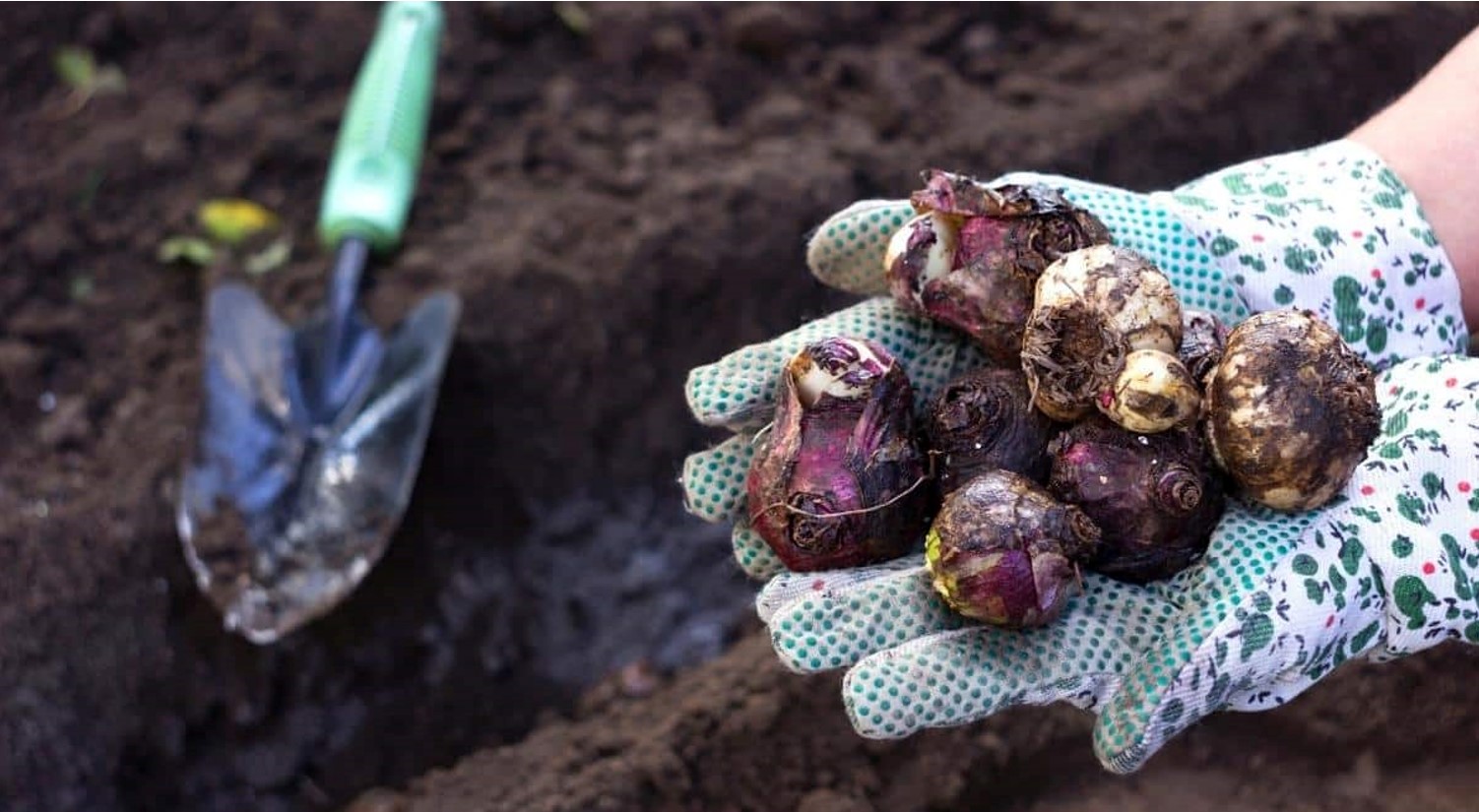
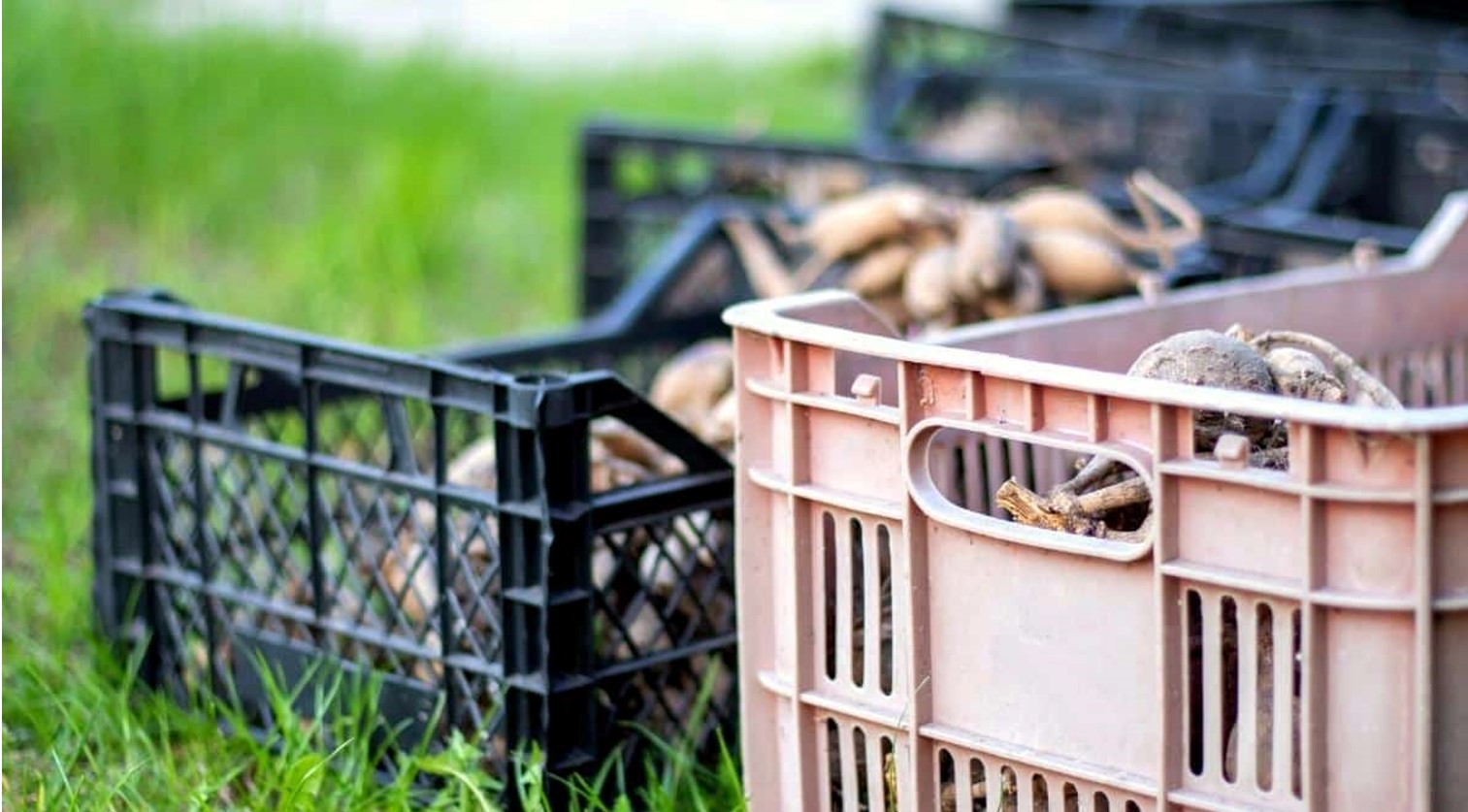
Preserve tender bulbs: dahlias, gladiolus, cannas and other tender bulbs do not survive frozen ground in cold regions. Dig them up after the first frost blackens the foliage, let them dry for a few days, then store them in a cool, dry, frost-free place, around 40 to 50°F, in peat moss, vermiculite or dry sand. Check them once a month and remove any that turn soft.
How to Winterize Garden Hoses and Outdoor Faucets
Water that freezes inside a hose or pipe expands and can split it, so hoses and faucets are an essential part of any plan to winterize your garden. Take these steps after the first frost:
- Disconnect every hose from the faucet, including from frost-free spigots, so the faucet can drain.
- Drain the hose by laying it out on a slope or walking it coil by coil, then store it in a garage or shed. A retractable hose reel makes this a two-minute job. Our guide on how to store a garden hose for winter covers every step, including expandable hoses and hose reels.
- Close the indoor shutoff valvefor each outdoor faucet, then open the outside faucet to let the remaining water out.
- Blow out drip lines and irrigation systems with compressed air, or hire a professional.
- Bring in hose nozzles and garden sprayers; the seals and plastic parts can crack when water freezes inside them.
A drained hose can technically stay outside, but sun and frost make it age faster. Metal hoses such as those in our stainless steel garden hose guide are more resistant, but still need to be drained.
Lawn and Fallen Leaves
- Keep mowing until the grass stops growing, and do not cut lower than about 2 inches. Never remove more than one-third of the blade at once.
- A light layer of leaves covering 10 to 20 percent of the lawn can stay. Thicker layers smother the grass.
- Shred leaves with a mulching mower or collect them for mulch and compost. A leaf blower with vacuum mode can collect and shred them in one step.
Tools and Garden Equipment
- Brush off the soil, wash and dry hand tools, and sharpen spades, hoes and pruners.
- Wipe metal parts with an oily rag to prevent rust, and treat wooden handles with linseed oil.
- Fill gas equipment with fuel mixed with a fuel stabilizer and run the engine for a few minutes so the treated fuel reaches the carburetor. Untreated fuel can start to degrade within about 30 days.
- Store batteries of cordless tools, such as a battery-powered weed eater, indoors at room temperature and at the charge level the manual recommends, not in a freezing shed.
- Replace worn tools now, when there is time to compare. Our gardening tool set guide can help.
Patio and Outdoor Living Area
When you winterize your garden, do not forget the patio. A few steps keep your patio ready for next spring, or for winter use:
- Clean and dry outdoor furniture and store it, or use breathable covers rather than plastic.
- Bring cushions indoors or into a deck box to prevent mold.
- Empty terracotta and ceramic pots or move them under cover so they do not crack.
- Want to keep using the patio? Read our tips to enjoy your patio during winter and compare patio heaters.
How to Winterize Pots and Container Plants
Roots in a pot are much more exposed to frost than roots in the ground, so containers need extra attention when you winterize your garden.
- Move frost-sensitive plants indoors, into a garage or against a sheltered house wall before the first hard frost.
- Group hardy potted plants together and wrap the pots in burlap or bubble wrap to insulate the roots.
- Raise pots on feet so water can drain; a waterlogged pot that freezes can crack.
- Empty and store terracotta and glazed ceramic pots you are not using, because they can crack when wet soil freezes.
- Water evergreen container plants on mild days when the soil is not frozen; they keep losing moisture through their leaves all winter.
Protect Shrubs, Roses and Young Trees
- Keep watering evergreens until the ground freezes to reduce winter burn, as described in the checklist.
- Set up a burlap screen on the windy side of young or exposed evergreens. Do not wrap them tightly in plastic, which traps heat and moisture.
- Put tree guards or a cylinder of hardware cloth around the base of young trees to stop rabbits and voles from chewing the bark.
- Mound mulch or compost around the base of tender roses after the ground freezes, following the winter mulch guidelines above.
- Prune only dead, damaged or diseased branches now. Most shaping is best done in late winter or spring.
Common Mistakes When You Winterize Your Garden
- Mulching too early. Winter mulch goes on after the ground freezes; earlier, it can keep the soil warm and attract rodents looking for a winter home.
- Cutting everything back. Healthy stems and seed heads help birds and beneficial insects, and they catch snow that insulates the crowns.
- Composting diseased plants. Put them in the trash so disease does not return next year.
- Leaving hoses connected. Water trapped in the faucet or hose can freeze and split it.
- Storing equipment with untreated fuel. Old fuel is a common reason gas equipment will not start in spring.
- Forgetting to water. A dry fall followed by a hard freeze is hard on evergreens and new plantings.
Frequently Asked Questions
How do I winterize my garden if I live in a mild climate?
In regions with little or no frost, focus on clearing diseased plants, adding compost, mulching and planting cool-season crops. You may only need to protect tender plants on the few nights when frost is forecast.
How do I protect potted plants in winter?
Move tender plants indoors or to a sheltered spot, group hardy pots together, wrap them in burlap or bubble wrap, and raise them on feet so they drain well.
When should I start winterizing my garden?
About two to four weeks before your average first frost date. In cold northern regions that can be late September; in mild southern regions, November or later.
Should I cut back perennials in fall?
Only if they are diseased. Healthy stems and seed heads shelter beneficial insects and feed birds, so extension services recommend cutting them back in spring instead.
How deep should winter mulch be?
About 4 inches over most perennials, and 6 to 8 inches for tender plants and roses. Apply it after the ground has frozen, not before.
Can I leave my garden hose outside in winter?
A fully drained hose can survive outside, but it ages faster. Always disconnect it from the faucet so the faucet itself can drain.
Should I water plants before winter?
Yes, especially evergreens. Give them about 1 inch of water per week until the ground freezes, so they go into winter well hydrated.
Should I put diseased plants in the compost?
No. Most home compost piles do not heat up enough to kill pathogens, so throw diseased material away with household waste.
Final Thoughts
To winterize your garden, focus on four things: clean up what is diseased, protect what is tender, keep water out of hoses and pipes, and store tools and equipment properly. Work through the checklist in the weeks before your first frost and your garden, lawn and patio will be ready for spring.
Want to get a head start on next year? Read our guides on building a raised garden bed and vegetable gardening for beginners.
Sources: Iowa State University Extension (winter mulch); Iowa State University Extension (frost protection); University of Illinois Extension (fall cleanup); University of Illinois Extension (outdoor plumbing); University of Wisconsin Extension (evergreens); University of Minnesota Extension (lawn); Briggs & Stratton (fuel storage).
Back to contents ↑