
Types of Ferns: Porch Ferns, Hardy Garden Ferns and Indoor Favorites
The main types of ferns for porches, shade gardens and indoors: Boston fern care, the best porch ferns, ferns in hanging baskets, hardy ferns for shade that come back every year, and indoor ferns, with light, water and winter care for each.
Affiliate disclosure: This guide links to our buying guides, which contain affiliate links. As an Amazon Associate, we earn from qualifying purchases at no additional cost to you.
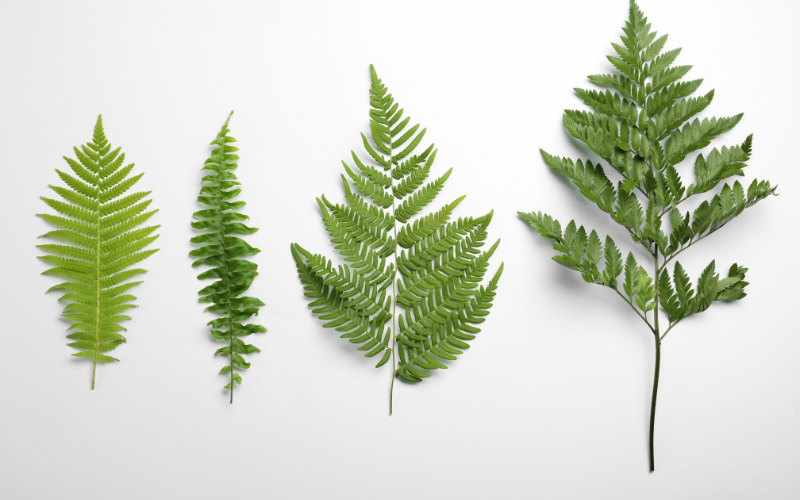
Few plants say “relaxed outdoor living” like a row of lush ferns on a shaded porch. Ferns soften shady corners, fill hanging baskets and bring a cool, green feel to patios and gardens. But “fern” covers very different plants: some are tropical and must come indoors for winter, while others are tough perennials that return in a shade garden every spring.
This guide explains the main types of ferns and how to choose the right one for your space. You will learn Boston fern care, which porch ferns tolerate some sun, how to keep ferns in hanging baskets looking their best, which hardy ferns for shade survive cold winters, and which ferns grow well indoors. We also correct the old version of this page, which used confusing names and some incorrect care advice.
Types of Ferns at a Glance
| Type of fern | Best place | Winter |
|---|---|---|
| Boston fern (Nephrolepis exaltata) | Shaded porch, hanging basket, bright indoor spot | Tropical: bring indoors |
| Kimberly queen fern (Nephrolepis cordifolia) | Porch with some morning sun | Tropical: bring indoors |
| Macho fern (Nephrolepis biserrata) | Large containers on a shaded porch | Tropical: bring indoors |
| Lady fern, Christmas fern, ostrich fern | Shade garden | Hardy perennials |
| Cinnamon fern, Japanese painted fern | Moist shade garden | Hardy perennials |
| Maidenhair, bird’s nest and other tropical ferns | Indoors, in humid rooms | Houseplants |
The old version of this page called the Boston fern “American fern” and used several translated names that are not used in English-speaking countries, which made it hard to find the right plant in a garden center. We use the standard common and botanical names here.
Porch Ferns: The Best Types for Shaded Porches and Patios
Clemson Cooperative Extension describes these popular porch ferns:
| Porch fern | Light (Clemson) | Size and hardiness (Clemson) |
|---|---|---|
| Boston fern | Dappled to full shade; will burn in the sun | Fronds up to 4 feet long; zones 9 to 11 |
| Kimberly queen fern | Most sun-tolerant; thrives with several hours of morning sun | About 3 feet tall and 2 to 3 feet wide; zones 9 to 11, possibly zone 8 in mild winters |
| Macho fern | Tolerates a few hours of morning sun | About 3 feet tall and 5 feet wide; zones 10 to 11 |
| Asparagus fern (not a true fern) | Varies by type | Zones 9 to 11 |
For a north-facing or deeply shaded porch, Boston fern is the classic choice. For a porch that gets morning sun, Kimberly queen fern is the safer bet. The old version of this page said some of these ferns like strong wind; in fact, wind dries out fronds quickly, so a sheltered spot is better.
Boston Fern Care
| Need | Boston fern care tip | Source |
|---|---|---|
| Light outdoors | Full or partial shade | University of Wisconsin, Clemson |
| Light indoors | Medium bright light, such as an east window or behind a sheer curtain in a south or west window | University of Wisconsin |
| Water | Keep the potting mix evenly moist but not saturated | University of Wisconsin |
| Humidity | Does best in humid conditions; dry air causes brown tips and edges | University of Wisconsin |
| Soil | Well-drained but moisture-retaining mix, such as peat and vermiculite | University of Wisconsin |
| Fertilizer | Half-strength houseplant fertilizer every 4 to 6 weeks while growing; much less in winter | University of Wisconsin |
| Too much fertilizer | Browning and drying from the ends of the fronds | University of Wisconsin |
The University of Wisconsin notes that Boston fern is the most drought tolerant of the commonly grown ferns, but it still does best with consistent moisture. Good Boston fern care is really about steady conditions: even moisture, shade and humidity.
Ferns in Hanging Baskets
Ferns in hanging baskets are a classic porch look, and the University of Wisconsin notes that Boston ferns look best where the fronds can trail gracefully. Baskets dry out faster than pots on the ground, so they need extra attention:
- Clemson notes that some ferns may need water daily in the hottest months; water in the morning.
- If a basket dries out completely, Clemson advises immersing the root ball in a bucket of water for about an hour.
- Yellow fronds are a sign of overwatering (Clemson).
- Rotate baskets weekly for even growth, as Clemson recommends.
- Birds sometimes nest in porch fern baskets; Clemson suggests deterrents such as plastic forks, skewers, foil or old CDs.
- A watering wand or a hose with a gentle shower setting makes reaching high baskets much easier.
See our garden hose nozzle guide for nozzles with a gentle shower setting, and how to keep birds out of your garden if nesting birds are a problem.
Hardy Ferns for Shade Gardens
Hardy ferns for shade are perennials that die back in winter and return in spring. The University of Illinois recommends these:
| Hardy fern | Size (Illinois) | Growing notes (Illinois) |
|---|---|---|
| Lady fern (Athyrium filix-femina) | 1 to 3 feet | Very lacy; prefers shade but tolerates some sun with moist soil; spreads well |
| Christmas fern (Polystichum acrostichoides) | 2 to 3 feet | Dark leaves; withstands sun or deep shade |
| Ostrich fern (Matteuccia struthiopteris) | 2 to 6 feet | Vase-shaped; tolerates sun to full shade with moist soil |
| Cinnamon fern (Osmunda cinnamomea) | 3 to 4 feet | Cinnamon-colored fertile fronds; needs moisture and acidic soil |
| Japanese painted fern (Athyrium niponicum ‘Pictum’) | 10 to 15 inches | Silvery fronds with red stems; best color in light shade |
Christmas fern is a good choice for drier shade, while ostrich and cinnamon ferns want consistently moist soil. Japanese painted fern adds silver color to dark corners. For more shade-tolerant plants, see our guide to growing ivy.
Planting Ferns in the Garden
These steps follow general practice for planting perennials in shade. Fallen leaves make excellent mulch for ferns; a leaf blower with a shredding function helps; see our best leaf blowers guide.
Indoor Ferns
Many tropical types of ferns are grown as houseplants. These care tips reflect widely accepted houseplant practice:
| Indoor fern | Care tips |
|---|---|
| Boston fern | Bright, indirect light; even moisture; high humidity |
| Maidenhair fern (Adiantum) | Never let the soil dry out; needs high humidity; sensitive to drafts |
| Bird’s nest fern (Asplenium nidus) | Water the soil, not the center of the rosette; tolerates lower light |
| Staghorn fern (Platycerium) | Often mounted on a board; soak and let drain |
| Leatherleaf fern (Rumohra adiantiformis) | Tough, glossy fronds; popular in flower arrangements |
Bathrooms and kitchens with good light are often ideal for indoor ferns because of the higher humidity. Grouping plants together and using a tray of pebbles and water under the pot can also raise humidity locally.
Plants Called “Fern” That Are Not Ferns
- Asparagus fern: Clemson notes that asparagus ferns are not true ferns. They produce small flowers and berries and tolerate more sun than most ferns.
- Foxtail fern: a form of asparagus fern (Asparagus densiflorus ‘Myersii’), also not a true fern.
- True ferns reproduce by spores and never flower.
Overwintering Porch Ferns
Tropical porch ferns cannot survive frost. Clemson and the University of Wisconsin give this advice:
| Step | Details | Source |
|---|---|---|
| Timing | Bring indoors before nighttime temperatures drop below about 50°F | Clemson |
| Alternative | The University of Wisconsin advises moving or protecting them when temperatures dip into the low 40s °F | University of Wisconsin |
| Dormant storage | Keep in a garage or basement at a minimum of 40°F; cut Boston and Kimberly queen ferns back to about 3 inches | Clemson |
| Indoors as a houseplant | Bright, indirect light; night temperatures around 65°F suit Boston ferns | University of Wisconsin |
| Watering | Check the soil and water when dry | Clemson |
Check for pests before bringing ferns inside. For more winter tips, see how to winterize your garden.
Dividing and Propagating Ferns
The University of Wisconsin notes that most gardeners find it much easier to divide Boston ferns than to grow them from spores. Divide every few years in spring by cutting the root ball vertically into sections, each with healthy fronds and roots. Clemson notes that Boston and Kimberly queen ferns can both be divided. Hardy garden ferns can be divided in early spring in the same way.
Common Fern Problems
| Problem | Likely cause | Solution |
|---|---|---|
| Brown tips and edges | Low humidity or too much fertilizer (University of Wisconsin) | Raise humidity; fertilize at half strength |
| Yellow fronds | Overwatering (Clemson) | Let the surface dry slightly; check drainage |
| Pale, scorched fronds | Too much sun | Move to shade |
| Leaf drop indoors | Dry air, low light or stress after moving inside | Increase humidity and light |
| Small bumps on fronds | Scale insects (Clemson, University of Wisconsin) | See our scale insects guide |
| White cottony spots | Mealybugs | See our white bugs guide |
| Holes in fronds outdoors | Slugs (University of Wisconsin, Clemson) | See our slugs guide |
See scale insects, white bugs on plants and slugs on plants.
The Best Types of Ferns for Every Situation
Use this quick guide, based on the sources above, to match types of ferns to your spot:
| Your situation | Best choice | Why |
|---|---|---|
| Deeply shaded porch | Boston fern | Thrives in dappled to full shade (Clemson) |
| Porch with morning sun | Kimberly queen fern | The most sun-tolerant porch fern (Clemson) |
| Large container, shaded patio | Macho fern | About 3 feet tall and 5 feet wide (Clemson) |
| Dry shade in the garden | Christmas fern | Withstands sun or deep shade (Illinois) |
| Wet, acidic soil | Cinnamon fern | Needs moisture and acidic soil (Illinois) |
| Tall backdrop in moist shade | Ostrich fern | 2 to 6 feet, vase-shaped (Illinois) |
| Color in a dark corner | Japanese painted fern | Silvery fronds, best in light shade (Illinois) |
| Humid bathroom | Boston or bird’s nest fern | Indoor ferns like humidity (general practice) |
Plants in containers and hanging baskets need more frequent watering than ferns planted in the ground.
Common Mistakes with Ferns
| Mistake | Why it hurts | Better approach |
|---|---|---|
| Hanging porch ferns in full sun | Fronds scorch | Shade, or Kimberly queen for morning sun |
| Letting baskets dry out | Fronds brown and drop | Check daily in summer |
| Overfertilizing | Brown frond tips | Half strength, only during growth |
| Leaving tropical ferns out in frost | The plant dies | Bring in before nights drop below about 50°F |
| Planting hardy ferns in dry, sunny spots | Stress and scorch | Moist shade, or Christmas fern for drier shade |
| Windy locations | Fronds dry out and break | Choose a sheltered spot |
What You Need
| Item | Why it helps | More information |
|---|---|---|
| Hose with gentle shower or watering wand | Watering hanging baskets without washing out soil | See our garden hose nozzle guide |
| Lightweight expandable hose | Easy daily watering on the porch | See our expandable garden hose guide |
| Hand tools and pruners | Dividing ferns and removing brown fronds | See our gardening tool sets guide |
| Gardening gloves | Planting and dividing | See our gardening gloves guide |
| Kneeling pad | Comfortable planting in shade beds | See our kneeling pad guide |
| Moisture-retaining potting mix | Even moisture for porch ferns | Peat-based or similar, well drained |
| Retractable hose reel | A tidy hose that is always ready on the porch | See our retractable garden hose guide |
Frequently Asked Questions
What are the main types of ferns?
For porches: Boston, Kimberly queen and macho ferns. For shade gardens: lady, Christmas, ostrich, cinnamon and Japanese painted ferns. Indoors: Boston, maidenhair, bird’s nest and staghorn ferns.
How do I care for a Boston fern?
Give it shade outdoors or medium bright light indoors, keep the mix evenly moist but not saturated, provide humidity and feed at half strength every 4 to 6 weeks while it grows.
Which porch fern tolerates the most sun?
Kimberly queen fern is the most sun-tolerant porch fern and thrives with several hours of morning sun, according to Clemson.
Can Boston ferns take full sun?
No. Clemson notes that Boston ferns burn in the sun. Grow them in dappled to full shade.
How often should I water ferns in hanging baskets?
Check them daily in hot weather; some may need water every day. Water in the morning and keep the mix evenly moist.
What are the best hardy ferns for shade?
Lady fern, Christmas fern, ostrich fern, cinnamon fern and Japanese painted fern are recommended by the University of Illinois.
Can I leave my porch ferns outside in winter?
Not in cold climates. Bring them indoors before nights drop below about 50°F, or store them dormant at 40°F or above.
Why are my fern’s tips turning brown?
Usually low humidity or too much fertilizer. Increase humidity and feed at half strength only while the fern is growing.
Why are my fern’s fronds turning yellow?
Overwatering is a common cause, according to Clemson. Let the surface dry slightly and check drainage.
Is asparagus fern a real fern?
No. Asparagus fern is not a true fern; it flowers and forms berries, which true ferns never do.
How do I propagate a Boston fern?
Divide it in spring by cutting the root ball into sections, each with roots and fronds. This is easier than growing ferns from spores.
Do ferns like coffee grounds?
There is no good evidence that coffee grounds help ferns or reliably acidify soil. Use compost or a balanced fertilizer instead.
Do ferns come back every year?
Hardy ferns for shade, such as lady, Christmas and ostrich ferns, die back in winter and return in spring. Tropical porch ferns do not survive frost unless you overwinter them indoors.
Can ferns grow in full sun?
Most ferns scorch in strong sun. Kimberly queen fern tolerates several hours of morning sun, and the University of Illinois notes that ostrich and Christmas ferns tolerate some sun when the soil stays moist.
Are ferns good indoor plants?
Yes, especially in bright bathrooms and kitchens with higher humidity. Maidenhair ferns are the most demanding; Boston and bird’s nest ferns are easier.
Final Thoughts
Choosing between the many types of ferns starts with one question: where will it grow? Porch ferns such as Boston and Kimberly queen ferns are perfect for shaded porches and ferns in hanging baskets, but they need to come indoors before frost. Hardy ferns for shade return in the garden every spring.
Good Boston fern care comes down to shade, even moisture, humidity and light feeding. Match each fern to the right spot, and these graceful plants will bring a cool, green feel to your porch, patio and garden for years.
Sources: Clemson Cooperative Extension: how to grow and care for porch ferns; University of Illinois Extension: ferns add texture to the shade garden; University of Wisconsin-Madison Extension: Boston fern.
Back to contents ↑
