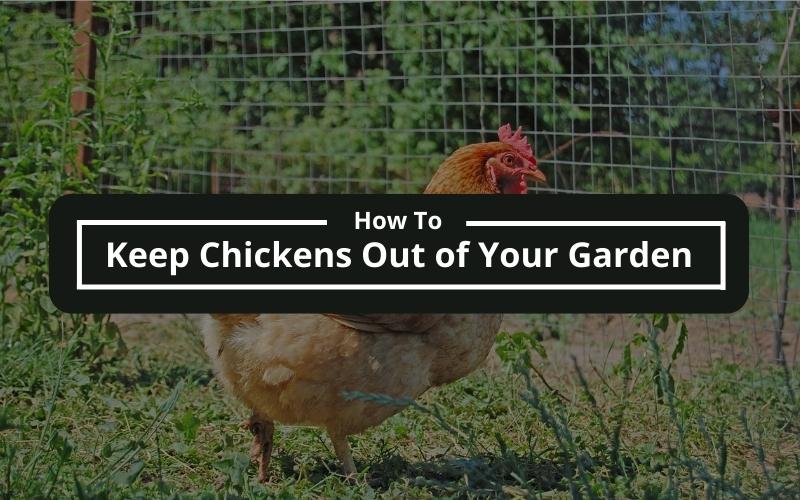
How to Keep Chickens Out of Your Garden: 10 Easy Methods That Work
How to keep chickens out of your garden, vegetable beds and flower beds: simple fencing, chicken deterrents that work, how to create a chicken-proof garden, and how free-range chickens and a beautiful garden can share the same yard.
Affiliate disclosure: This guide links to our buying guides, which contain affiliate links. As an Amazon Associate, we earn from qualifying purchases at no additional cost to you.
Backyard chickens are fun, productive and great at finding bugs. They are also experts at scratching up mulch, dust bathing in flower beds and eating lettuce, tomatoes and strawberries the moment they ripen. If you want to know how to keep chickens out of your garden, the answer is not to give up either one: you need a clear line between the chicken area and the plants you want to protect.
This guide explains how to keep chickens out of your garden with fencing, simple barriers and chicken deterrents that work. You will learn how to keep chickens out of flower beds, how to design a chicken-proof garden, how to manage free-range chickens, what to do about a neighbor’s flock, and how to use your chickens as helpers in the garden safely.
Why Chickens Damage Gardens
| Behavior | Why chickens do it | What helps |
|---|---|---|
| Scratching | They search for insects, worms and seeds in loose soil and mulch | Chicken wire under mulch; rocks around plants |
| Dust bathing | Dry, loose soil helps them clean their feathers and control mites | A dedicated dust-bathing spot in their run |
| Eating seedlings and greens | Tender leaves are a favorite food | Fences, cages and row covers |
| Pecking fruit | Red and ripe fruit attracts them | Netting or harvesting promptly |
| Digging up new plantings | Fresh soil is easy to scratch | Protect new plantings until established |
Chickens do not damage gardens out of mischief; they simply follow their instincts. That is why the best approach to how to keep chickens out of your garden combines barriers with giving them what they need somewhere else.
How to Keep Chickens Out of Your Garden: 10 Methods
Fencing: The Most Reliable Way to Keep Chickens Out
Fencing is the single most effective answer to how to keep chickens out of your garden. What works depends on your breed and your layout:
| Fence type | Height | Best for |
|---|---|---|
| Welded wire or chicken wire fence around the garden | About 4 feet | Heavy breeds such as Orpingtons and Brahmas |
| Taller fence or fence with netting on top | 5 to 6 feet or covered | Light breeds that fly well, such as Leghorns |
| Low fence around single beds | 2 to 3 feet | Keeping chickens from casual scratching |
| Hoops with bird netting over raised beds | Covers the bed | Vegetables and strawberries |
| Portable poultry netting | About 4 feet | Moving the chicken area around the yard |
- Bury or pin the bottom of the fence, so chickens cannot squeeze underneath.
- Close gaps at gates; chickens quickly find the smallest opening.
- Chickens often fly up onto a solid rail before hopping over. A floppy top edge of netting is harder for them to land on.
Wear gloves when you work with wire; see our gardening gloves guide. A sturdy tool set makes fence posts and pins easier to handle; see our gardening tool sets guide.
How to Keep Chickens Out of Flower Beds
Flower beds with loose mulch are irresistible to chickens. To keep chickens out of flower beds without fencing the whole yard:
- Lay chicken wire or hardware cloth flat on the soil and cover it with mulch; cut holes for your plants.
- Place flat rocks or pavers around the base of each plant, so chickens cannot scratch at the roots.
- Use larger stones or coarse bark instead of fine mulch in the beds they target most.
- Plant densely, so there is little bare soil to scratch or dust bathe in.
- Protect new plants with wire cages or baskets until they are well rooted.
- Edge the bed with a low border fence of 2 to 3 feet for heavier breeds.
The first weeks after planting matter most. Once plants are large and well rooted, chickens usually do much less damage. These steps also help to keep chickens out of flower beds in a neighbor’s yard if their flock visits yours.
Protecting the Vegetable Garden from Chickens
Vegetables are the most important crops to protect, both for your harvest and for food safety:
- Grow vegetables in raised beds with hoops and netting, or fence the whole vegetable garden.
- Cover newly sown rows and seedlings with row cover or mesh tunnels.
- Protect strawberries and tomatoes with netting as the fruit ripens.
- Keep chickens out completely during the growing season, and let them in only for cleanup after harvest.
Raised beds are easy to cover with hoops; see how to build a raised garden bed. New to growing vegetables? Read vegetable gardening for beginners.
Chicken Deterrents: What Works and What Does Not
| Chicken deterrent | Works? | Notes |
|---|---|---|
| Motion-activated sprinkler | Yes | Effective and harmless; move it now and then |
| Chicken wire under mulch | Yes | Stops scratching, the main source of damage |
| Rocks, pavers and cages | Yes | Protect individual plants |
| Citrus peels or strong-smelling herbs | Limited | Some chickens avoid them; effect varies |
| Chili or cayenne powder | No | Birds are not sensitive to the heat of peppers |
| Fake predators (owl or hawk decoys) | Short-term | Chickens get used to them quickly |
| Shooing chickens away | No | They come back as soon as you leave |
A motion-activated sprinkler needs a hose that reaches it; our expandable garden hose guide helps you choose a light one, and a garden hose nozzle is handy for watering the beds afterward. Many of the same chicken deterrents also help with other visitors; see how to keep dogs out of your garden and how to keep crows out of your garden.
Give Your Chickens Their Own Space
Chickens that have everything they need in their own area are much less interested in your beds:
- A dust-bathing spot: a sunny corner with loose, dry soil or sand, sheltered from rain.
- A scratching area: a pile of leaves, straw or wood chips where they can search for insects.
- Shade and shelter: shrubs or a covered area in the run.
- Greens: a patch of clover or grass in their area, or a planting box covered with wire so they can eat the tops without destroying the roots.
- Enough space: crowded, bored chickens look for trouble elsewhere.
- Things to do: perches, stumps to hop on and a hanging cabbage or treat ball keep bored chickens busy.
How to Design a Chicken-Proof Garden
A chicken-proof garden separates areas instead of fighting the chickens everywhere:
| Zone | What goes there | Chicken access |
|---|---|---|
| Chicken run and coop | Dust bath, scratch area, shade | Always |
| Free-range lawn and orchard | Tough grass, mature trees and shrubs | Supervised |
| Flower beds | Established plants with rocks or wire under the mulch | Limited |
| Vegetable garden | Fenced beds or netted raised beds | Only after harvest |
| Seedlings and new plantings | Covered rows and cages | Never |
A chicken-proof garden also means choosing sturdy, established plants where your flock roams and keeping delicate annuals and vegetables behind a fence. Keep weeds under control in the fenced area as well; see how to keep weeds out of the vegetable garden.
Managing Free-Range Chickens
Free-range chickens are healthier and happier, but they need rules. These habits help free-range chickens and your garden get along:
- Let free-range chickens out in the late afternoon for an hour or two, when they have already laid eggs and will return to the coop at dusk.
- Supervise the first free-range sessions, so you can see which beds they head for.
- Keep them in the run while seedlings are young and during harvest time.
- Use portable poultry netting to rotate free-ranging areas.
- Consider a chicken tractor, a movable run that lets chickens work one small patch at a time.
Clipping the flight feathers of one wing makes it harder for chickens to fly over a fence. Done correctly, it is painless and temporary; the feathers grow back after the next molt. Ask an experienced keeper or your vet to show you how the first time.
Plants Chickens Tend to Leave Alone
No plant is truly chicken-proof, especially while it is young, but chickens tend to leave these plants alone once they are established:
- Strongly scented herbs such as lavender, rosemary, sage, oregano and mint.
- Tough shrubs and ornamental grasses.
- Established perennials with firm leaves.
- Plants with large, low leaves that cover the soil completely.
Some garden plants can also harm chickens. Avocado is known to be toxic to birds, and rhubarb leaves and green potato skins and foliage should be kept out of reach as well. Another reason to keep chickens out of the vegetable garden in summer: they peck at green tomatoes and tomato leaves. Ask an avian vet if you are unsure about a plant.
Chickens will still scratch around the base of these plants, so protect the soil with rocks or wire until the plants cover it. Growing herbs from scratch? See how to grow herbs indoors.
What If It Is a Neighbor’s Chickens?
- Talk to your neighbor politely; they may not know their flock visits your yard.
- Close gaps under fences and hedges where chickens slip through.
- Use a motion-activated sprinkler at the entry point.
- Protect your most valuable beds with fencing or netting.
- Check local ordinances. Many towns require backyard chickens to be kept on the owner’s property.
For other animal visitors, read how to keep animals out of your garden and how to keep birds out of your garden.
Chickens as Garden Helpers
Kept in the right place at the right time, chickens can help your garden:
- Fall and spring cleanup: after harvest, let them clear old plants, weeds and fallen fruit from the vegetable garden.
- Pest control: chickens eat grubs, slugs and many insects; see our guide on how to get rid of slugs.
- Soil preparation: a chicken tractor on a bed for a few weeks before planting loosens the surface and removes weeds.
- Compost: chicken manure is rich in nitrogen and makes excellent compost.
Chickens can also help clean up after the season; see our guide to winterizing your garden.
Food Safety: Chickens, Manure and Vegetables
Chicken manure can carry bacteria such as Salmonella and E. coli. The University of Nevada, Reno Extension advises:
- Compost chicken manure properly before using it; a hot compost of 140 to 160°F for several weeks kills most pathogens.
- If you use raw manure, apply it at least 90 days before harvesting crops that do not touch the soil, such as trellised tomatoes, and at least 120 days before harvesting crops that do, such as lettuce, strawberries and carrots.
- Wear gloves when handling manure, and wash vegetables well before eating.
The CDC advises washing your hands with soap and water after touching chickens or anything in their area, keeping a separate pair of shoes for the coop and supervising young children around poultry. That is one more reason to keep chickens out of vegetable beds during the growing season.
Frequently Asked Questions
Can chickens eat tomato plants?
Chickens love ripe tomatoes, but keep them away from the leaves, stems and green fruit. Fence tomato plants during the season, and only let chickens clean up after harvest.
How do I keep chickens out of my garden?
Fence the garden or single beds, use chicken wire under mulch and rocks around plants, give chickens their own scratching and dust-bathing area, and let them free-range only for set times.
How do I keep chickens out of flower beds?
Lay chicken wire under the mulch, place flat rocks around each plant, plant densely and protect young plants with cages until they are established.
How high does a fence need to be to keep chickens out?
About 4 feet for most heavy breeds. Light breeds that fly well may need 5 to 6 feet, a netting top or one clipped wing.
What is the best chicken deterrent?
Physical barriers work best. Among other chicken deterrents, a motion-activated sprinkler is the most effective and harmless option.
Does cayenne pepper keep chickens away?
No. Birds are not sensitive to the heat of chili peppers, so spicy powders do not deter chickens.
What smells do chickens hate?
Some chickens avoid citrus and strong herbs such as lavender and mint, but the effect varies. Do not rely on smells alone.
Can free-range chickens and a garden work together?
Yes. Fence the vegetable garden, protect flower beds and let free-range chickens out for set times, ideally in the late afternoon.
How do I make a chicken-proof garden?
Divide the yard into zones: a chicken run, a supervised free-range area, protected flower beds and a fenced vegetable garden.
Is clipping a chicken’s wing cruel?
No, when done correctly. Only the long flight feathers of one wing are trimmed. It is painless and temporary, as the feathers grow back after molting.
Can I let chickens into the vegetable garden?
Yes, after harvest, to clean up plants, weeds and pests. Keep them out during the growing season for your harvest and for food safety.
How do I keep my neighbor’s chickens out of my garden?
Talk to your neighbor, close gaps in fences, use a motion-activated sprinkler and check local ordinances on keeping chickens.
Final Thoughts
Now you know how to keep chickens out of your garden: fence the vegetable garden, protect plants with wire, rocks and cages, use a motion-activated sprinkler as a chicken deterrent and give your flock its own space to scratch and dust bathe.
With a chicken-proof garden plan and set times for free-range chickens, your flock and your plants can share the same yard. Use your chickens for cleanup after harvest, compost their manure safely and enjoy the best of both.
Sources: University of Nevada, Reno Extension: using chicken manure safely in home gardens and landscapes; Oregon State University Extension: composting chicken manure; CDC: backyard poultry, healthy pets, healthy people.
Back to contents ↑